Consumer Era Built the Megachurch. What Does the Influencer Era Build?
I started reading Todd Wilson's How Did We Get Here? and got hooked fast. Part of it is watching how much of this story runs through Southern California. Part of it is where Todd references Dr. Gary McIntosh, who I actually had as a professor at Talbot. And part of it is reading about Rick Warren as a chapter in church history when, for 14 years, he was my boss and my pastor, not just a name in a book.
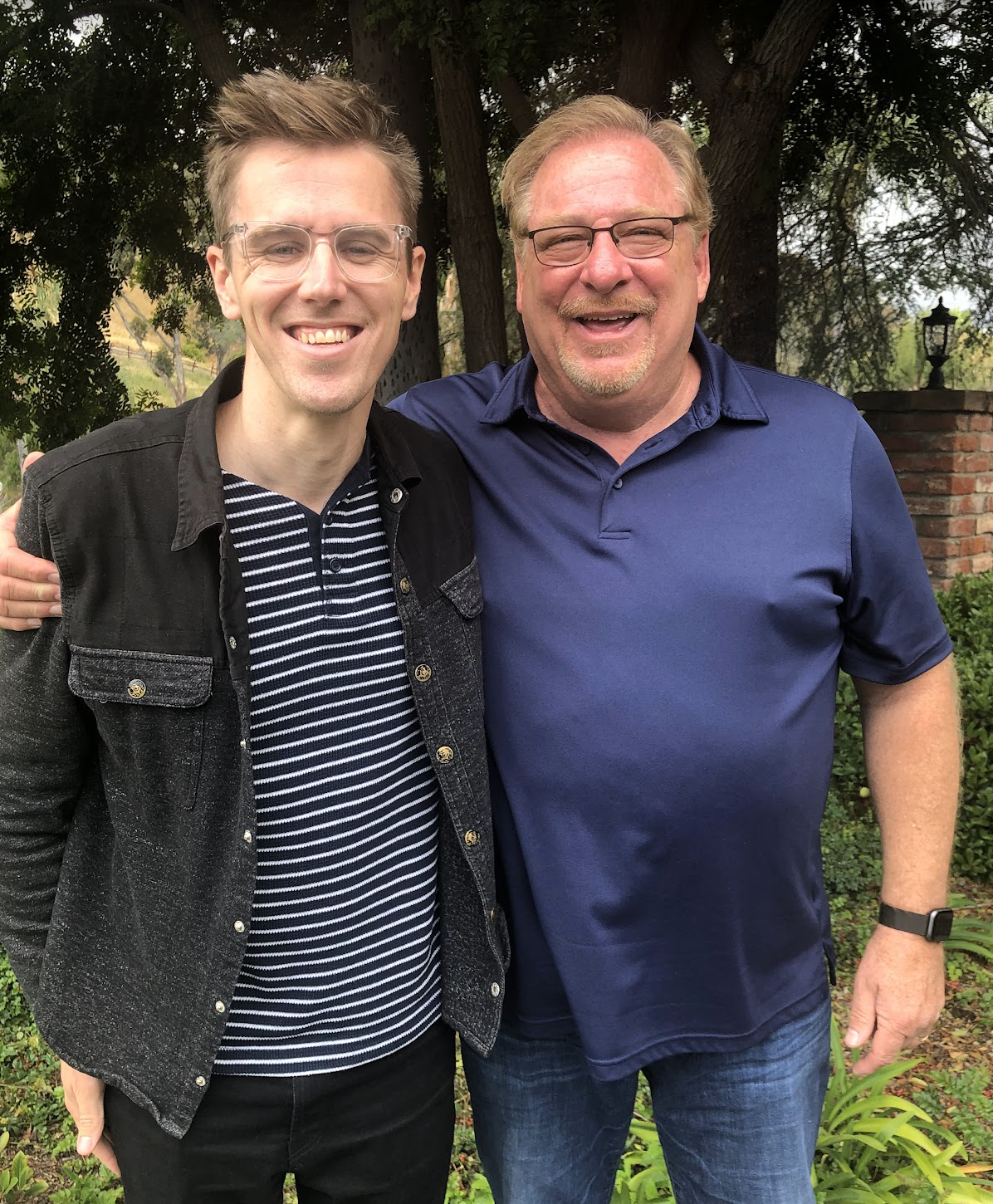
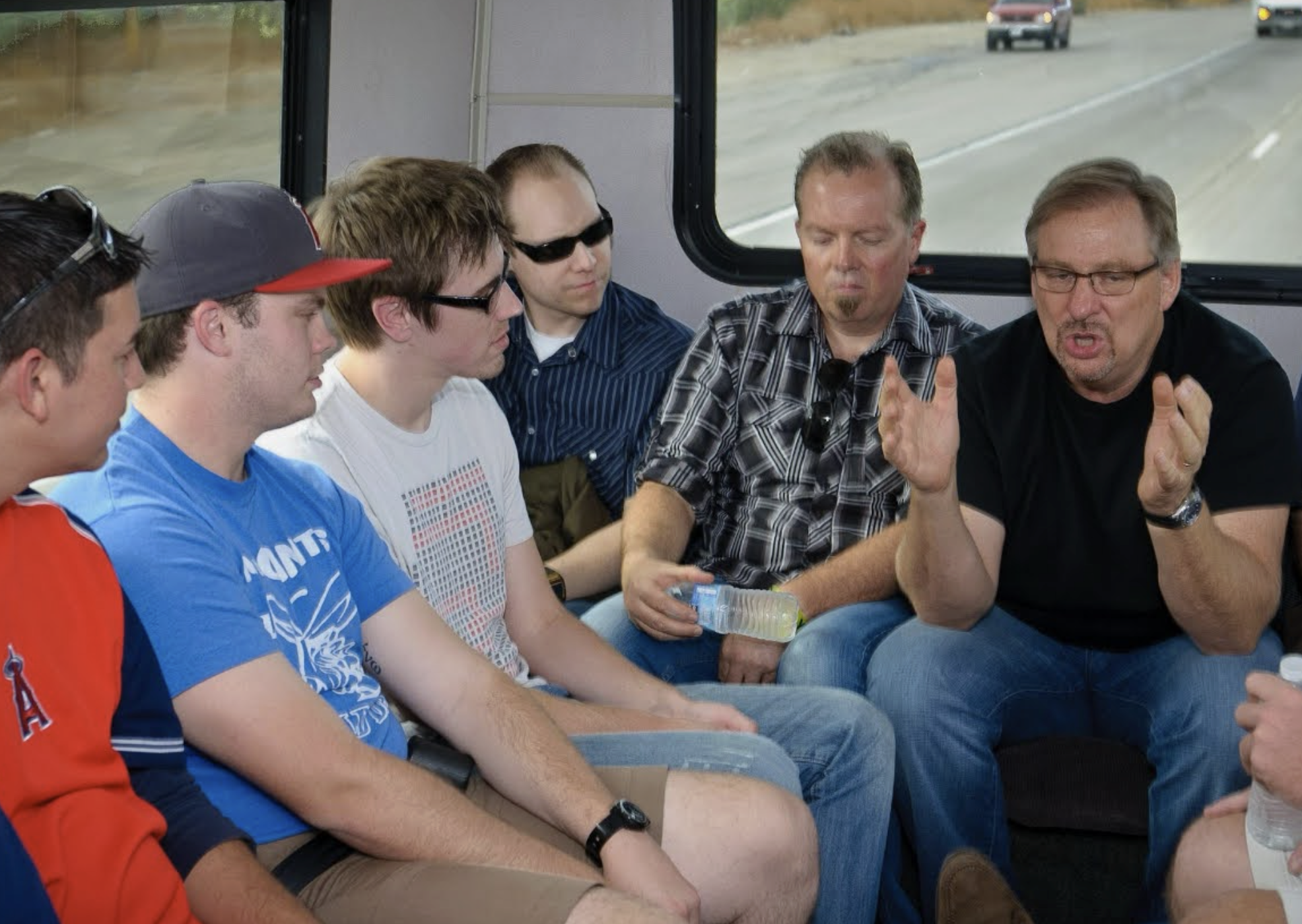
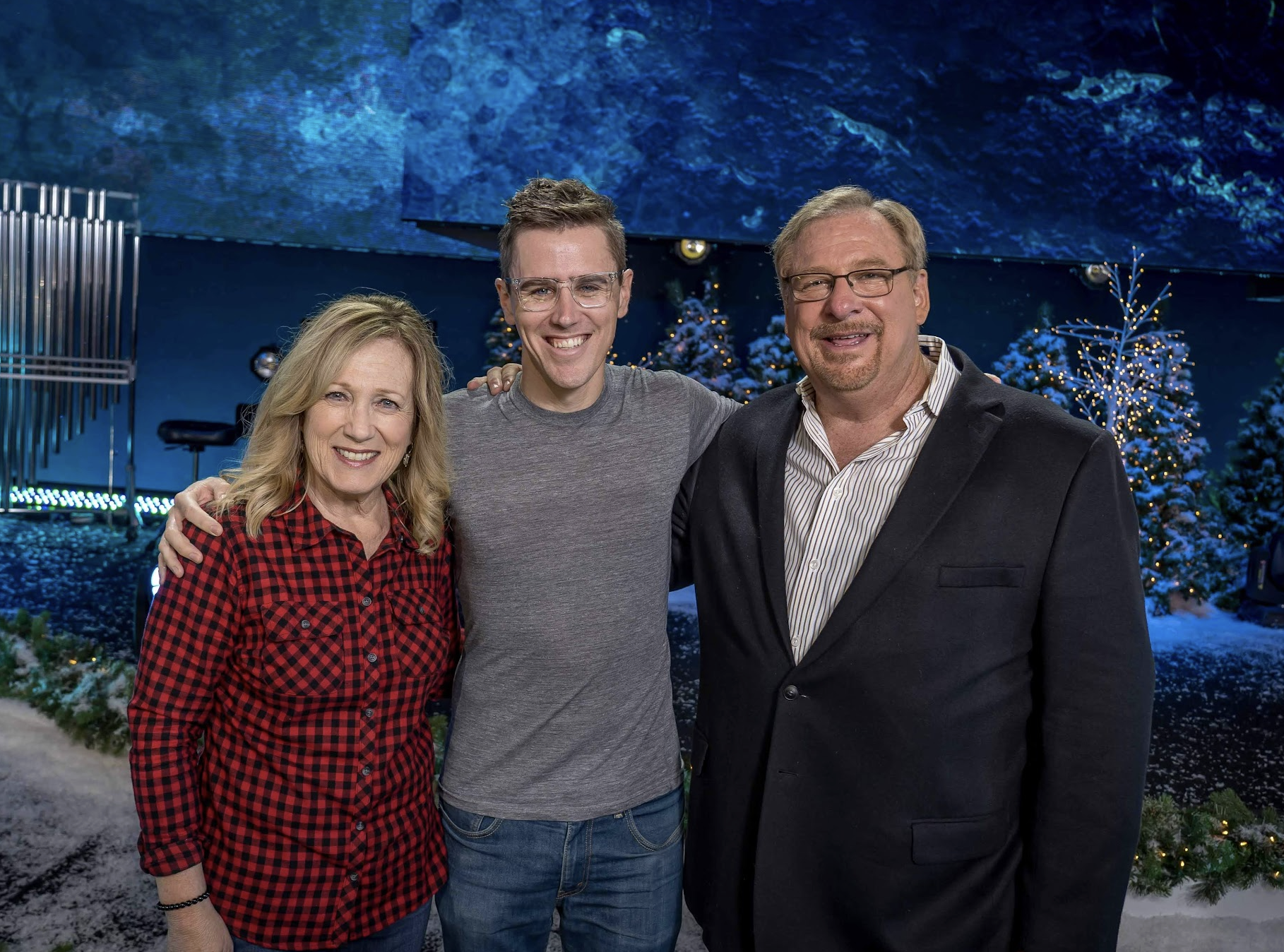
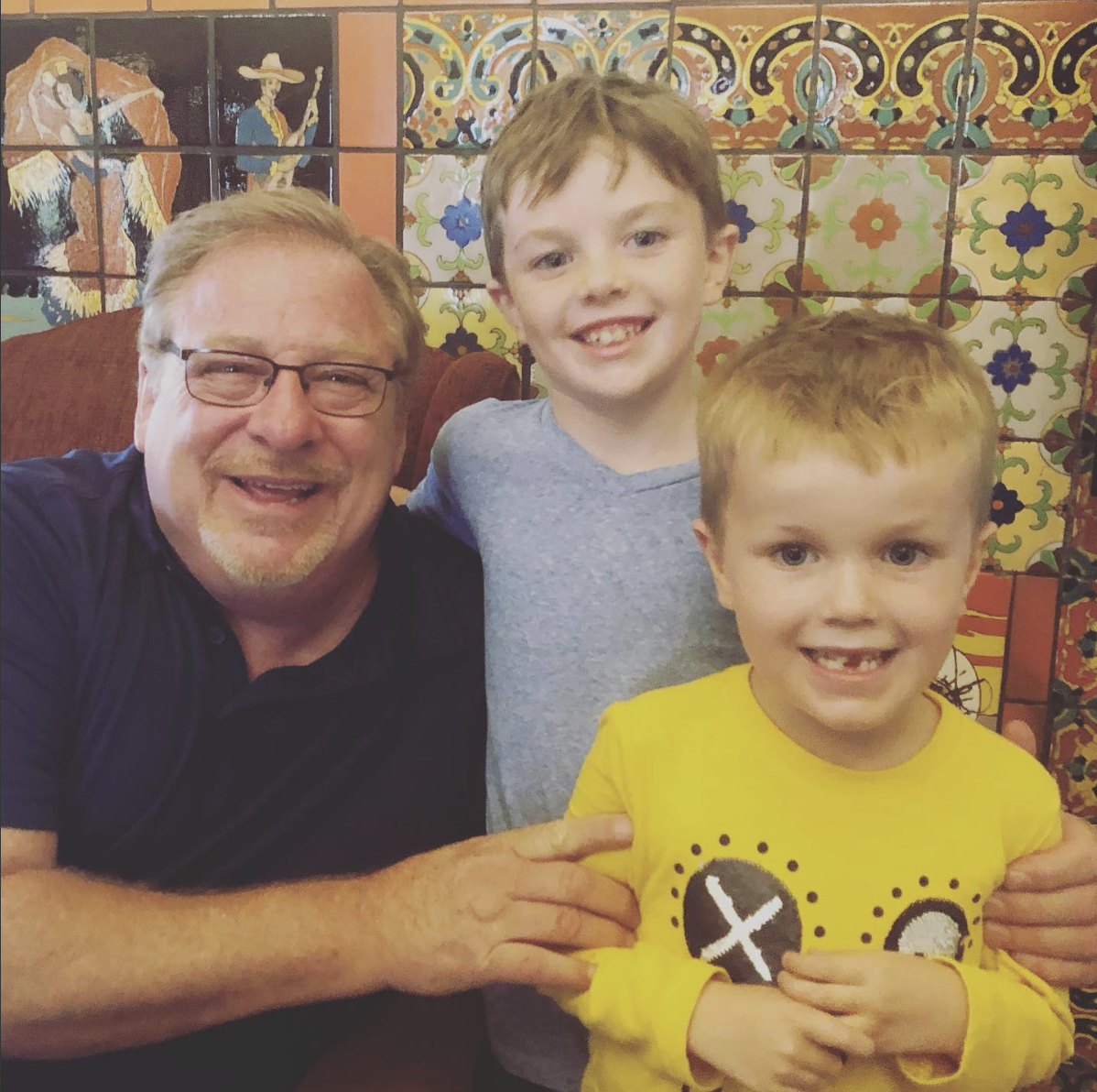
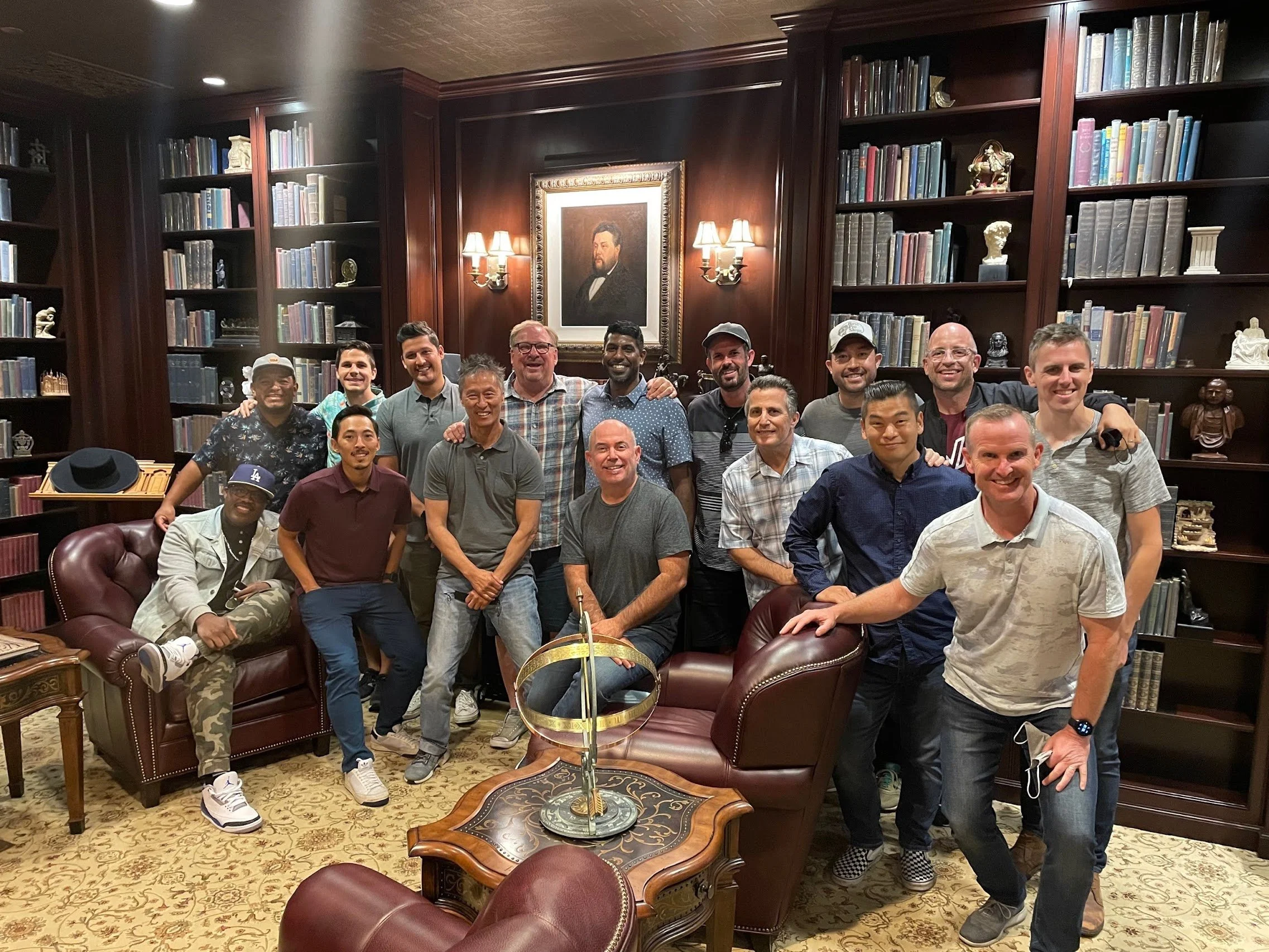
There's something disorienting, in a good way, about seeing names in a book you know. I bring this up because the last 70 years of church growth are a wild tale to unpack, and the dominoes connect in ways most people online don't see. I find myself speed-reading just to see what happens next. Everyone knew each other. It's all linked by a mission mindset to reach people. When I watch chatter on X talk about church growth in a negative light, I know most of them don't understand what actually happens inside the walls of these churches. I've seen these stories up close.
Todd ties the rise of megachurches to the consumer-driven marketplace after WWII and to suburban migration. These churches were highly evangelistic, and as they grew, they embraced the kind of systems and strategies a CEO of a Fortune 100 company would. The marketplace and the church were moving in parallel. You might say the pastors of the day were being good stewards of the waves that God was creating. The wave visuals are deep in my bones because of Purpose Driven Church. Not sorry.
That's interesting history to read, but where are we going?
The 2000s brought post-postmodernism, then we really went online with platforms like Facebook, and COVID fast-tracked and locked in the whole thing two decades later. The moment we're in now, in 2026, feels less like a consumer-driven market and more like an influencer-driven one. By that, I mean truth gets sourced from your last scroll and follow. Algorithms decide what's real. Really, AI is the ultimate form of an influencer. Who's smarter than the all-knowing app at your fingertips? You don’t need a bunch of influencers anymore. You just need one as long as you have enough tokens.
Three things that the influencer market produces:
Fragmentation of truth. The algorithm feeds you what you want to hear. It's biased toward your context window, not toward what you actually need to grow. It's whatever your influencer said last that's true, and here are fifty other videos to support their truth.
Parasocial relationships. One-sided intimacy with influencers linked to online communities that feel like a connection but never ask for vulnerability or deep commitment. I know them, therefore I feel like they know me.
Secular parishes. Gyms, gaming, hobby meetups, sports fandom, selective therapy/coaching, and/or your fav podcast conspiracy subreddit. Community organized around a shared interest, not around being actually known. You might have heard about it from your favorite influencer.
Four ways the church rides this wave (I think…):
Teach a unified truth that influences everything. Truth isn't fleeting. It's not how you feel or what your favorite influencer says. It comes from the Word of God. I'm not asking for just more lectures. I'm asking us to pair hard statements with ways for people to dig deeper to understand why something is true. People don’t just follow what an expert says; they do so because they can see the expert has done the research. People no longer assume the pastor is right. You need to prove what you're saying is actually true. This is why the podcast format is so powerful right now. Longform goes deeper than the attention-starved feed, and it's quietly replacing midweek programming for a lot of churches or should maybe. I see the strength in riding this wave to create more ways to disciple and inform your church congregation without needing to rally everyone in a room or extend your weekend worship service.
Treat digital as a bridge, not a destination. A scroll can spark interest, but it has to connect to something real and nearby. Online to offline is the offering your church can do better than anything else happening in your city. We can leverage the tool in our people's pockets, but it can’t be disconnected from face-to-face community. For example, invest in and market kids' and student offerings to show your community that you offer something for the entire family. Church isn’t just for the individual, but for everyone in the family. There is an obvious difference between your kid watching a show on their iPad compared to having a custom worship service for their stage of life. Now, link this to a digital tool/platform so that when their kid goes home, the parent can actively parent their child based on what they learned that Sunday. Good technology enhances the face-to-face offerings. Doesn’t take away from it.
Create spaces where people are actually known. Loneliness is the felt need of the moment, and COVID built bad habits around it. DoorDash and watch parties on X aren't terrible in themselves. They're terrible when they're the only thing someone has in their life. Figuring out how to be seen and connect with a group at your church is vital in the moment we are in. Content can be a tool to drive connection, but you need to create spaces where real/raw group-chat conversations happen face-to-face. People have limitless access to the best content, but they don’t have limitless access to meaningful relationships.
Care about your neighbor enough to challenge them. The church growth movement wasn't started to be mega. It started to reach people who didn't know Jesus. You don't need to be huge like a Saddleback. Healthy things do grow, but growth looks different at different stages of development. But you do need to see the people around you as zombie-like, just moving along, not realizing they're dead. They may have hit their PR that morning at the gym, but they are missing out on what life is really about. The cure is a life fully dedicated to our Creator, and it's more energizing than any conspiracy theory they might believe.
We're in the middle of a tide. Nobody actually knows where this wave is heading. These are just the thoughts of a pastor in Southern California with his pulse on internet culture and mega churches. What am I missing? Agree or disagree? No church growth bashing please :)
A fun book to read alongside this book is Reinventing American Protestantism: Christianity in the New Millennium.