Why Some Ideas Don’t Spread
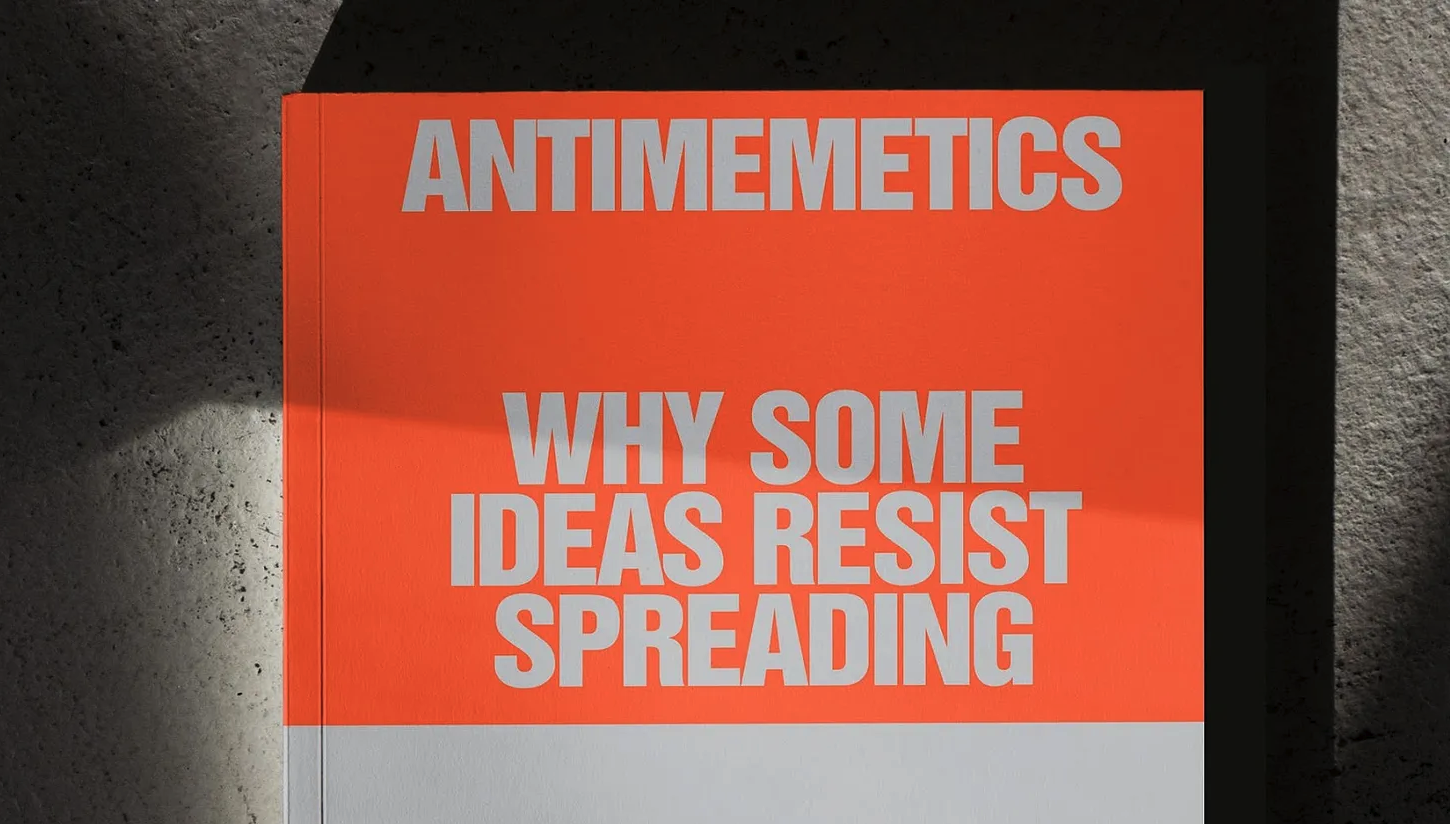
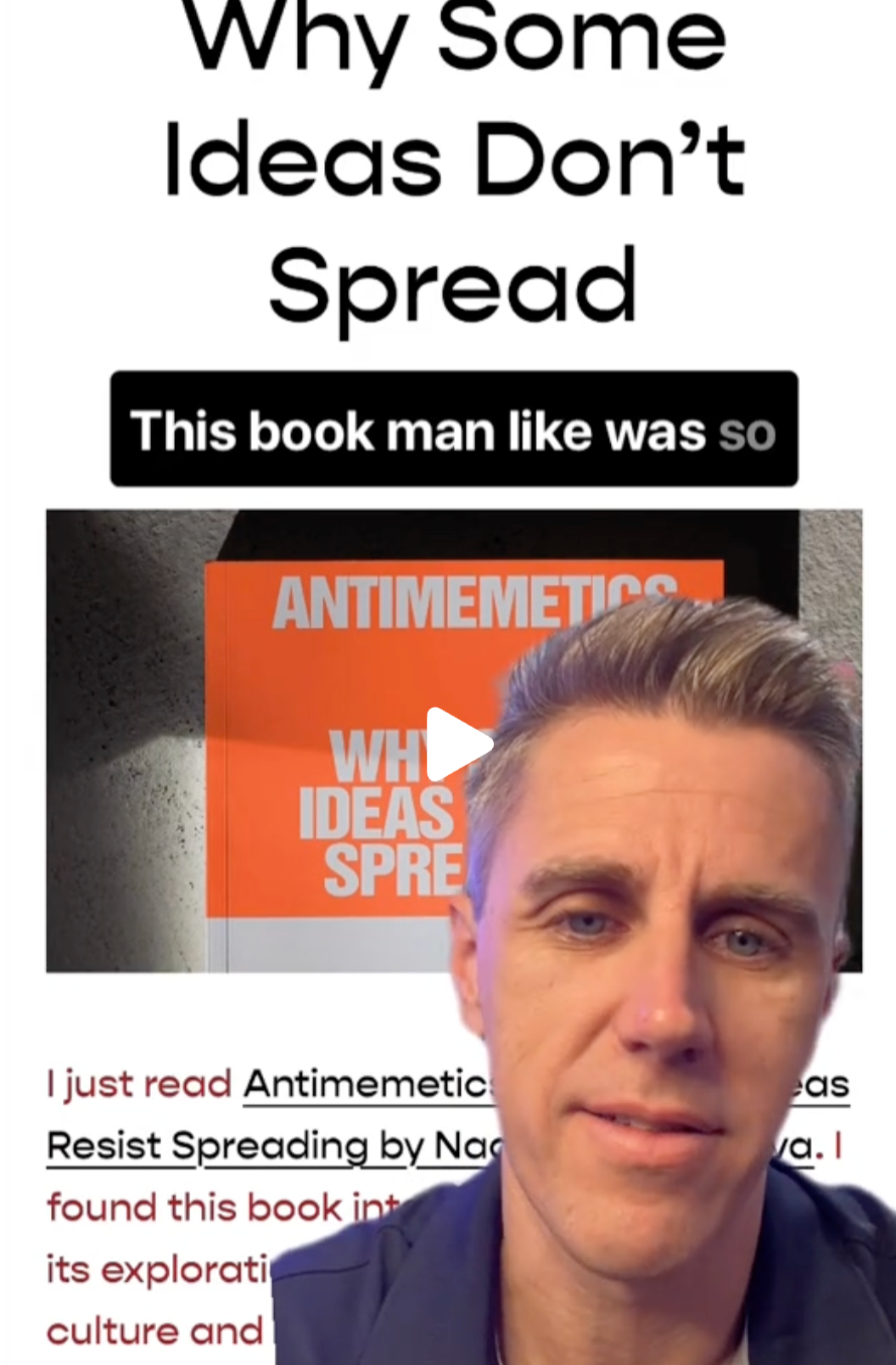
I just read Antimemetics: Why Some Ideas Resist Spreading by Nadia Asparouhova. I found this book interesting, particularly in its exploration of digital spaces in today's culture and how some things go viral and other things don’t. Richard Dawkins initially defined “meme” as a noun that "conveys the idea of a unit of cultural transmission, or a unit of imitation," & Nadia’s book unpacks why some ideas today (anti-meme) don’t spread. Hence the title. Here are my quick takeaways:
Why some ideas don't spread
Complexity. Ideas that take critical thinking or grey thinking can be easily rejected, while simplistic ideas are too easily accepted.
Personal discomfort. People don’t want to change their habits.
Lack of incentives in the immediate future. The idea would require big changes, and the “reward” is not quickly received.
Takeaways as a pastor
Create "anitmemtics" spaces for deeper conversations (smaller groups). Nadia unpacks how Covid destroyed the public discourse & much of this conversation moved to group chats.
Navigate the discomfort and complexity of spiritual communication, knowing what the natural gag response will be when sharing the counter-cultural way of Jesus.
Empowering intentional engagement over viral noise. Know how to recognize facts over just “influencer” type of ideas. We now trust influencers because they appear to know what they are talking about as “experts,” but we need to know what data is backing their theories. Dig deeper and help your church know how to recognize the viral noise.