The AI Shift Happening at Work Around You
Open your spam folder for a second. Every email sitting in there got there one of two ways.
The first way is what some folks call Software 1.0. An engineer sat down and wrote a rule: if the subject line says "winner" or "cash," send it to spam. Specific task, specific code, done. We've been doing this since software was software.
The second way is Software 2.0, which really showed up around 2017 with neural networks. Instead of writing the rule, you hand the system 100,000 emails labeled "spam" or "not spam" and let it figure out the patterns. The timing, the phrasing, the weird stuff in the metadata you'd never think to code for. You don't tell it the rule. You give it enough examples that it learns the rule on its own.
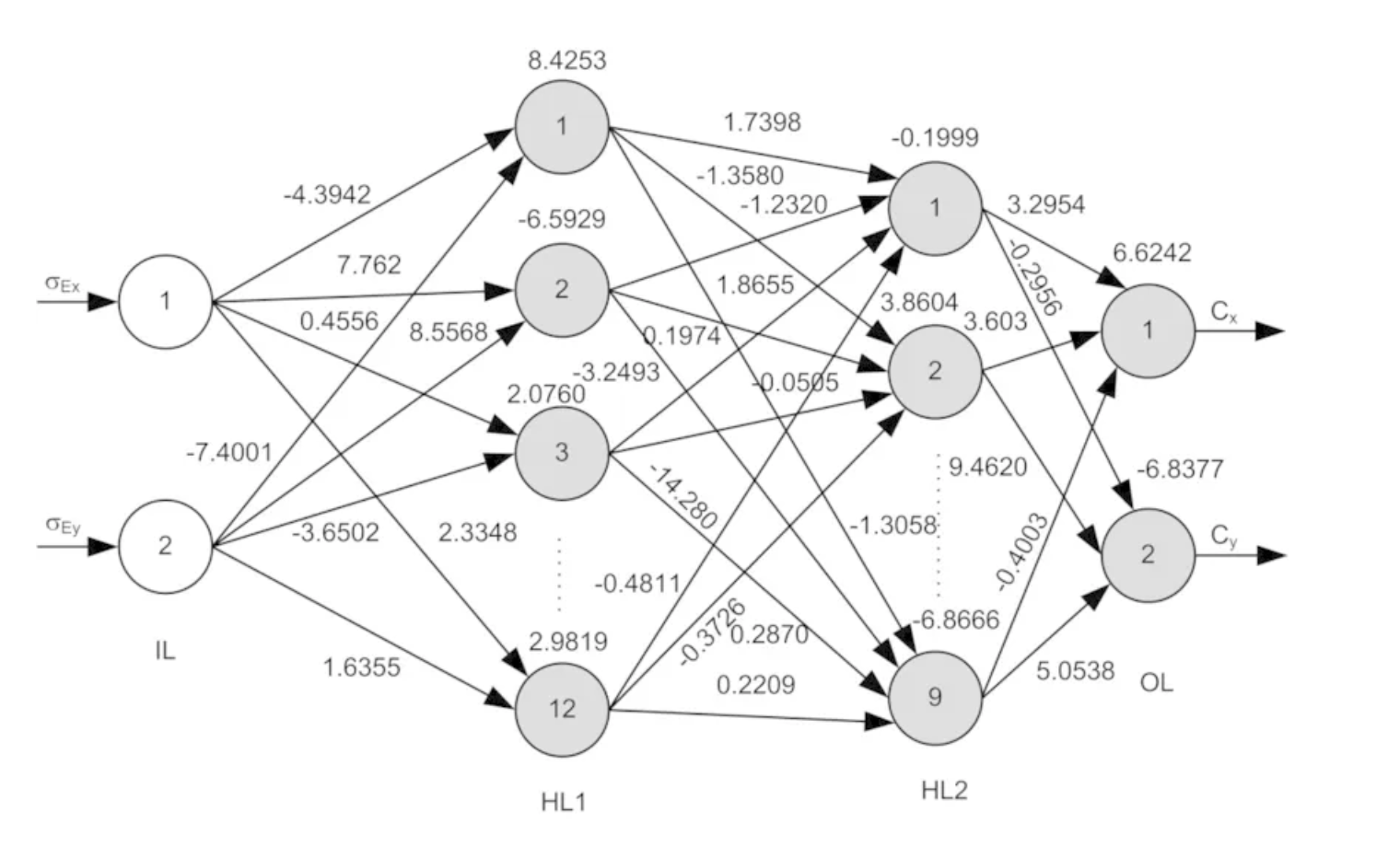
Example of a neural network
Now, back to my question. Can AI help you in your job?
The Software 1.0 part is easy. We've all grown up with software handling the specific tasks of our work. Calendars, spreadsheets, Slack, the dozen tools open on your desktop right now. That's not new, and it's not scary. We're fluent in it.
The Software 2.0 part is where most of us get stuck, and I don't think it's because we're behind. It's because we've never had to think this way before. We've never had an almost limitless agent sitting on the other end of a chat box, waiting for us to outline the logic of what we actually do all day. I can't just hand it 100,000 of my emails and expect it to reverse engineer my job. My job isn't that verifiable. A lot of what I do is moment-to-moment human judgment that doesn't reduce to a clean pattern.
This is why coding has been the first thing to fall. Code is verifiable. You can look at it, run it, and instantly know if it works. Sam Altman and a few other AI folks have basically joked that coding is solved, and they're not totally wrong. When the process is that checkable, the model can rip through it. But your job probably isn't that checkable. Mine isn't either.
Here's the part I think matters, though. There are pieces of your job that are more verifiable than you've given them credit for. You just haven't sat down and mapped them. The more you can name the logic behind a task, the inputs, the rules, and what a good output actually looks like, the easier it is to hand that piece off to an agent and get some time back.
So that's the swing I'd take this week. Pick one slice of your work and see if you can describe it well enough that an AI could run it. I bet with some honest thought, most of us can unlock another level of usefulness from these tools. And at the same time, I don't think you need to lose sleep about AI replacing the whole of what you do tomorrow. Not at this moment, at least.