Don't Be a Dinosaur: Why Changing Your Mind About Tech Matters
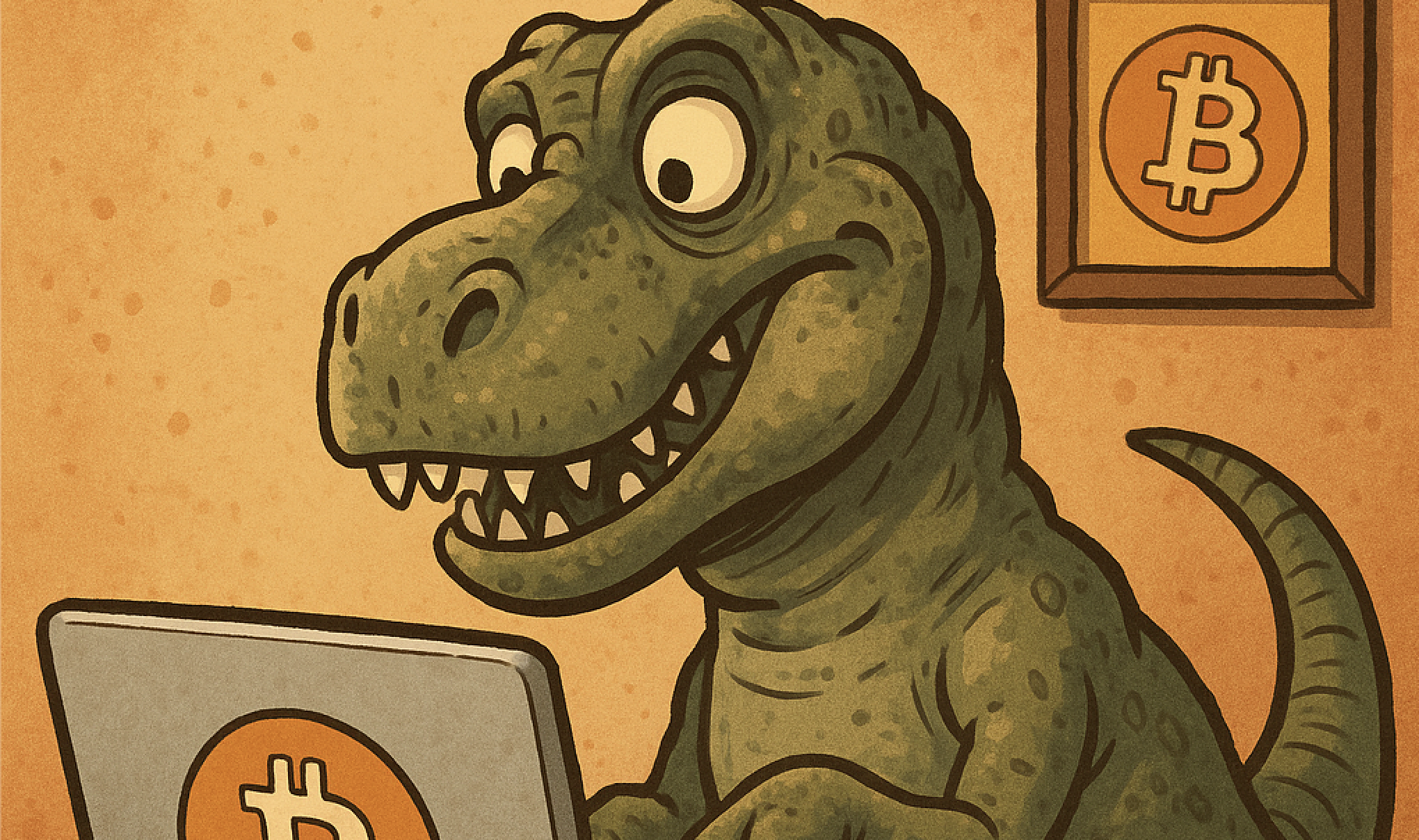
It's easy to dismiss new ideas and technologies. We often find comfort in what's familiar and are quick to criticize what we don't understand. This can lead us to prematurely judge things, sometimes because we lack full comprehension, other times because we simply follow the crowd, or perhaps we just don't have enough information.
Embracing the Potential of New Ideas
I believe we should have more hope for the potential success of new things. Instead of immediately discounting something because it's novel, we should strive to see its possibilities. Opinions are abundant, but their validity is what truly matters. What in your life have you consistently dismissed, only to find it might actually be beneficial? Are you willing to adapt your views, or will you resist new information? A true mark of intelligence isn't always being right, but rather a willingness to evolve your thought process. Don't cling to a flawed perspective; be ready to change your mind.
A Common Pattern with New Technology
Digital advancements and new technology have consistently followed a pattern of being initially ignored, then fully embraced.
Cell phones: In the 1980s, people questioned the necessity of cell phones. Today, many of us can't imagine life without our smartphones. My mom got me a Cingular phone in high school, and I didn’t want it. I didn’t see the need for it, but once I saw the iPhone, I couldn’t wait to get one. I first dismissed the technology, and now I fully embrace it.
Putting your credit card online: In the late 1990s, the idea seemed foolish. People would say, ' Your credit card will get stolen.' I recall buying something on eBay and linking my PayPal account in the early days, and I felt nervous about the process. Now, it's normal to have your credit card online. You don’t think twice about it.
Social media: In the early 2000s, sharing thoughts online seemed strange. Who wants to see a photo of your food? That's lame. Today, it's a common way to connect and express ourselves. My youth pastor had to drag me onto Facebook when I was in college, and now I scroll these platforms daily. I watch way less TV, and most of my entertainment comes from these social apps.
The first idea is initially resisted, but more people eventually embrace it, and then the idea goes mainstream. You can learn more about this pattern in Geoffrey Moore’s book, Crossing the Chasm.
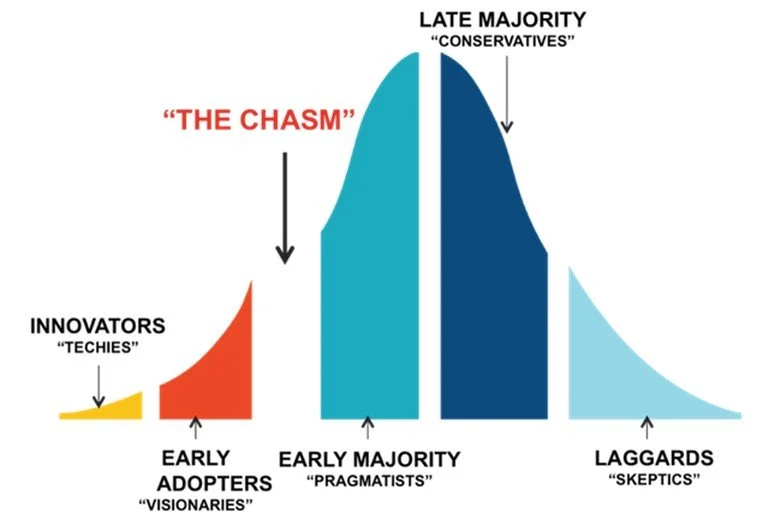
The trend is clear: things change, and most people eventually recognize the usefulness of new technologies and digital advancements. What are you currently overlooking that might become deeply integrated into your daily life in just a few months, years, or a decade?
I’m not saying to blindly embrace everything new. However, I encourage you to remain open to changing your mind about new technology and digital advancements. Just because you once dismissed something doesn't mean you always should. Be someone who considers new facts and adapts to them.
The Shifting Perception of Crypto
I've observed this trend firsthand with crypto. I first bought Bitcoin in 2018. I’ve watched crypto transition from being seen as crazy, then anti-American, then cool, not cool, pro-American, and now supported by many governments around the world as it’s going mainstream. While I'm not a crypto "maximalist," I see the practical utility of blockchain technology and its potential. Everyone will use crypto in the coming decade, though your interaction with it will likely differ from mine today. You'll likely engage with cryptocurrency through your retirement account and bank, perhaps without even realizing it, and it will enhance your financial experience while making it more secure.
I'm not aiming to change your opinion on crypto, but to highlight an area where public perception has clearly shifted. There are countless examples like this over the last 25 years. Most people never imagined using the internet, and now it has become an integral part of every aspect of our lives.
Be Open to Changing Your Mind
My challenge to you is to be okay with admitting when you've made a mistake. Again, true intelligence isn't about always being right, but about knowing when to change your mind. So, what digital thing or technology do you need to evolve on? Go figure out how to embrace it. Don't be a dinosaur!